Trying to figure out where to live in or around Ada? You want a home that fits your routine, commute, and budget, without guessing what each area of town feels like. This guide walks you through in-town neighborhoods, acreage living in Pontotoc County, and nearby small towns, plus practical checklists to help you compare options with confidence. Let’s dive in.
Ada at a glance
Ada is a small city that serves as a regional hub for education, healthcare, and tribal government. East Central University and the Chickasaw Nation both anchor daily life and jobs here, so you’ll find steady demand near campus, downtown, and key corridors. Housing runs from historic bungalows to newer subdivisions and rural acreages just outside city limits. Your choice often comes down to the lifestyle you want day to day.
In-town Ada neighborhoods
Downtown and near Main Street
If you want proximity to restaurants, local shops, civic events, and the library, look near the central business district. You’ll see older homes within a short drive or walk of Main Street, plus a few apartments and loft-style options. This area suits buyers who value convenience and a simple commute for errands and work. Expect older construction that may need updates alongside properties that have been refreshed.
Near East Central University
Neighborhoods around ECU blend owner-occupied homes with rentals. You’ll see smaller single-family houses, duplexes, and mid-century ranch styles. The area tends to feel busier during the academic year and quieter in summer. Investors often watch this zone for steady rental interest tied to the university calendar.
Historic residential blocks
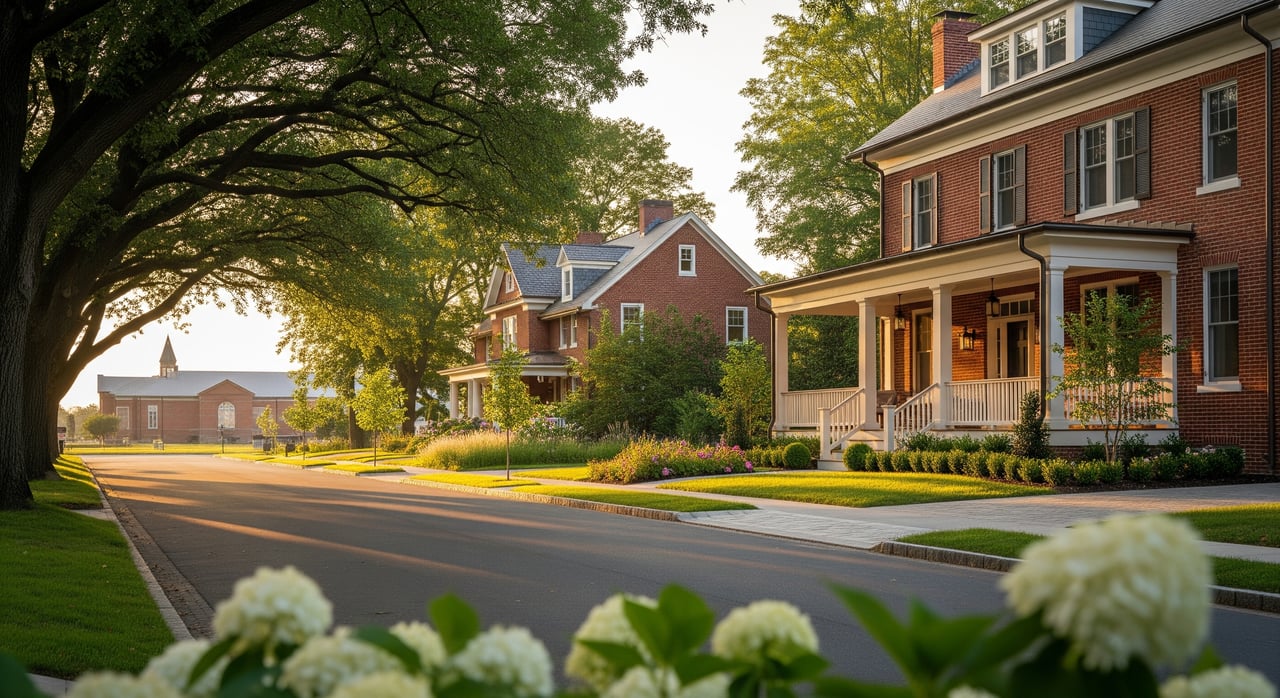
Tree-lined streets with early to mid-20th-century homes offer character and established yards. Craftsman bungalows and period homes are common, with some properties ready for renovation. Buyers drawn to original details often focus here, and resale timelines can vary based on condition and updates. Be sure to budget for maintenance if you choose older construction.
Suburban subdivisions
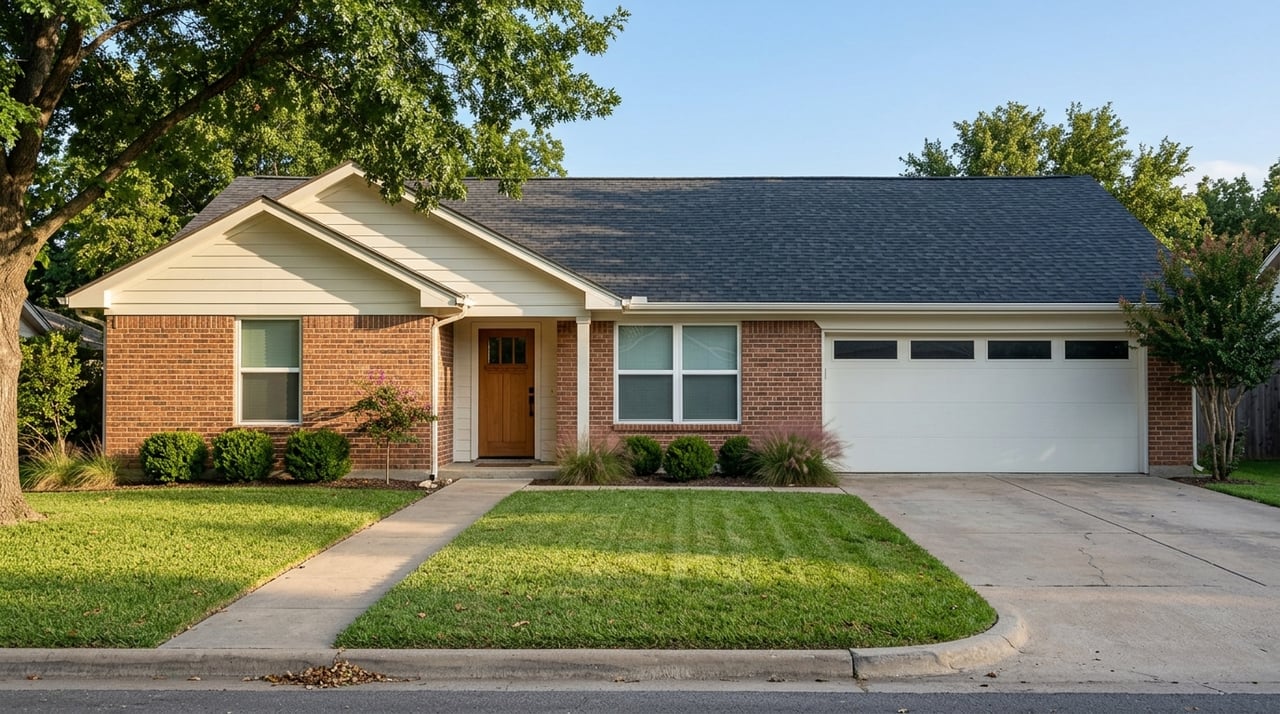
Across Ada you’ll find mid-to-late 20th-century and newer builds with cul-de-sacs and garage-forward homes. These areas typically feature modest yards and a straightforward suburban rhythm with quick drives to schools and services. Some newer pockets may have simple covenants or an HOA, while many older subdivisions do not. If low-maintenance living is a priority, this category is worth a close look.
Housing types you will see
- Early 1900s bungalows and Craftsman-style homes
- Mid-century ranch houses with practical layouts
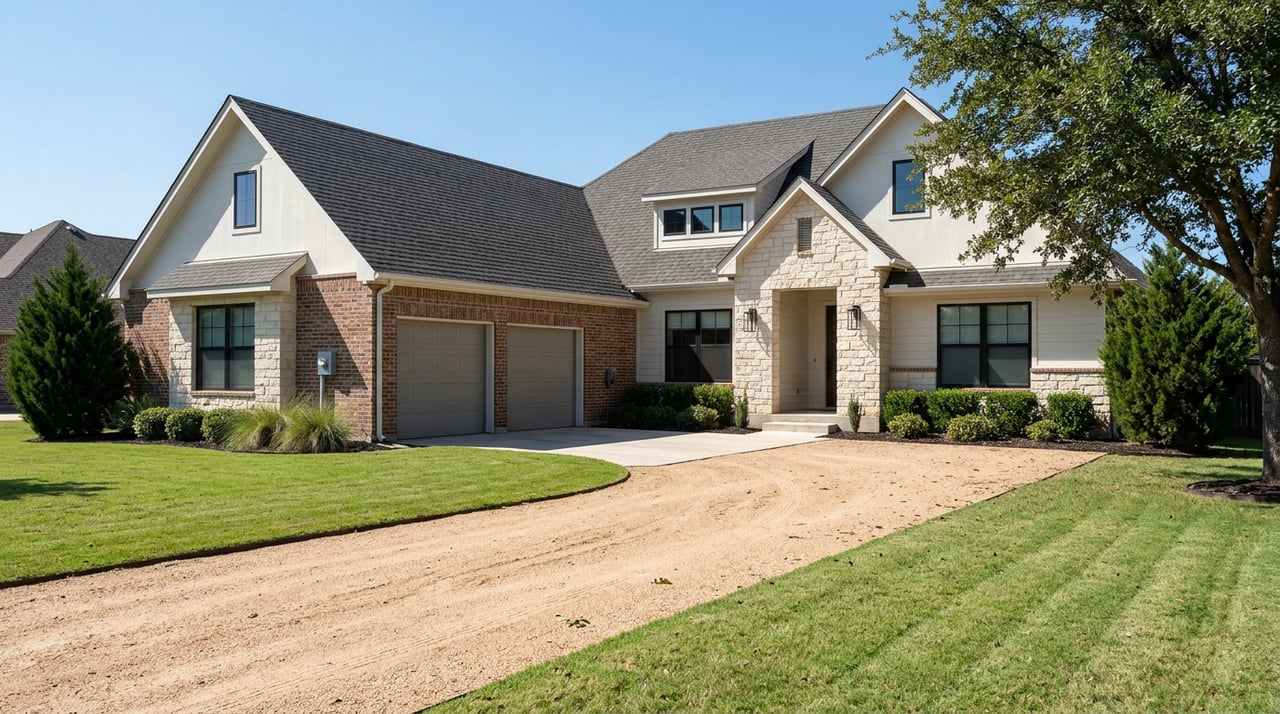
- Newer tract homes and small subdivisions from the 2000s to present
- Manufactured homes, both in town and on rural parcels
- Small multifamily buildings near downtown and ECU
Commute patterns and daily life
In-town commutes are typically short, often 15 to 20 minutes or less depending on your route. Living closer to downtown, the hospital area, schools, or ECU usually means fewer miles and quicker trips. If you choose rural acreage, plan for more drive time to shopping, school drop-offs, and medical services. Many residents prefer the tradeoff of extra space for a longer commute.
Acreage and rural living around Ada
Common parcel types
You’ll see small hobby farms and larger tracts marketed from about 5 acres up to 40 acres or more. Properties range from raw pasture and wooded land to homesteads with outbuildings. Low-density residential parcels near town are common for buyers seeking privacy without being too far out.
Daily life and tradeoffs
Rural living offers quiet, privacy, and room for animals, gardens, and equipment. You’ll rely on vehicles for most errands and activities. Utilities often differ from city services, so expect more self-sufficiency. Factor in time for road conditions after heavy rain, especially on unpaved county roads.
Must-know property checks
- Utilities and systems: Many rural homes use private wells and septic systems. Verify well logs, water quality, and septic permits.
- Access and roads: Confirm who maintains the road and how accessible it is in wet weather.
- Zoning and land use: Check agricultural vs. residential designations, deed restrictions, and any conservation easements.
- Flood and drainage: Review floodplain maps for the parcel.
- Rights and easements: Clarify surface vs. mineral rights and existing utility or access easements.
- Taxes and insurance: Ask about assessments and insurance considerations related to distance from fire protection.
Financing overview
Financing on acreage can vary by lender and property type. Some buyers use USDA Rural Development loans for eligible properties, while others choose conventional or portfolio options. Manufactured homes or off-grid setups may have additional requirements. Talk with lenders experienced in rural loans before you make an offer.
Nearby small towns to consider
Byng
Byng sits east of Ada with a small-town feel and local schools. Many homes have larger lots or rural settings. Most residents rely on Ada for major shopping, healthcare, and services.
Roff
Roff offers a more agricultural setting and a slower pace. Buyers here usually commute into Ada for work and errands. Utilities and parcel types vary, so verify whether a property has city services or private systems.
Stratford and others
Stratford and other nearby communities give you small-town living with access to Ada’s larger amenities. Compare drive times, school districts, and local services when evaluating options. Availability ranges from in-town homes to acreage just outside each town’s limits.
Buyer checklist for Ada and Pontotoc County
- Confirm school attendance zones directly with the district before you buy.
- Review official crime and incident data from local departments rather than relying on hearsay.
- For rural properties, schedule well and septic inspections and review soil suitability.
- Ask the county about zoning, setbacks, floodplain status, and any permits.
- Verify HOA or deed restrictions in newer subdivisions.
- Get quotes for homeowner and rural property insurance.
- Speak with a lender who handles acreage and manufactured homes if applicable.
Data points to check
- Median sale price and days on market for your target area
- Average commute time based on your workplace and daily routes
- School district boundaries and program offerings
- Utility availability: natural gas, electric providers, and internet options
- Price per acre and recent land comps for rural tracts
Quick glossary
- Septic system: On-site wastewater treatment common on rural properties.
- Private well: On-site water source; test for flow and quality.
- Mineral rights: Ownership of subsurface minerals may be separate from the land.
- Easement: Legal right for access or utilities that can affect use of the property.
- USDA eligibility: Federal program that may support financing for qualifying rural homes.
- Floodplain: Areas identified as higher flood risk; can affect insurance and building.
How to get started
- Tour contrasting areas in a single day: downtown, a university-adjacent block, a historic street, a newer subdivision, and a nearby rural parcel.
- Make a must-have list for commute time, lot size, update level, and utilities.
- Line up financing early, especially if you’re considering acreage or manufactured homes.
- Pull official maps and records for any parcel or subdivision you’re serious about.
When you’re ready to compare neighborhoods, spot off-market opportunities, or dig into land details, connect with a local guide who lives and works here every day. You can reach out to Sarah Johnson for neighborhood tours, comps, and step-by-step help.
FAQs
Are there affordable single-family homes in Ada?
- Yes. You’ll find a range of older bungalows, mid-century ranches, and newer tract homes at different price points. Review recent sold data to see current ranges.
How do in-town homes compare with acreage on cost?
- Older in-town homes may have a lower purchase price but could need updates. Acreage pricing depends on land size and improvements and can carry higher total costs.
What inspections are essential for rural properties near Ada?
- Plan for a well water test, septic inspection, structural and systems checks, soil review for new septic, floodplain review, and a rights and easements review.
Which areas offer the shortest commutes in Ada?
- In-town neighborhoods near downtown, schools, medical services, and ECU usually offer the quickest trips, often within 15 to 20 minutes depending on your route.
How should I factor schools into my neighborhood choice?
- Verify attendance zones and program options with the district. Compare locations by your daily routine for drop-off, activities, and commute routes.
Is commuting to larger cities common from Ada?
- Most residents work and run errands in Ada or nearby towns. Daily commutes to larger metro areas are less common due to distance and time.